Shopify Clothing Theme: How to Choose the Right One for Your Fashion Store
“Looking for the best Shopify clothing theme? Discover essential design features, mobile shopping tips, product layouts, and how to choose the right theme for your fashion brand.”
Selling apparel online is unlike selling any other product on the web. In the fashion industry, your storefront does not merely display inventory—it establishes your brand’s prestige, conveys texture, communicates fit, and evokes aspiration. When an online shopper lands on your digital storefront, they make a subconscious decision within seconds about whether your label feels premium, trustworthy, and aligned with their personal style.
Choosing the right Shopify clothing theme is the most critical technical and aesthetic decision you will make for your apparel business. The ideal theme balances lightning-fast load times with rich editorial visual storytelling, effortless mobile navigation, and conversion-optimized product pages.
Whether you are launching a minimalist streetwear label, scaling an indie boutique, or managing an expansive catalog of seasonal collections, this definitive guide walks you through everything you need to select the ultimate Shopify clothing theme for your fashion store.
Why Your Shopify Clothing Theme Matters
A generic ecommerce template might work for selling tech gadgets or household goods, but fashion ecommerce demands a completely different psychological approach. Your theme serves as the architecture of your online boutique.
First Impressions and Brand Identity
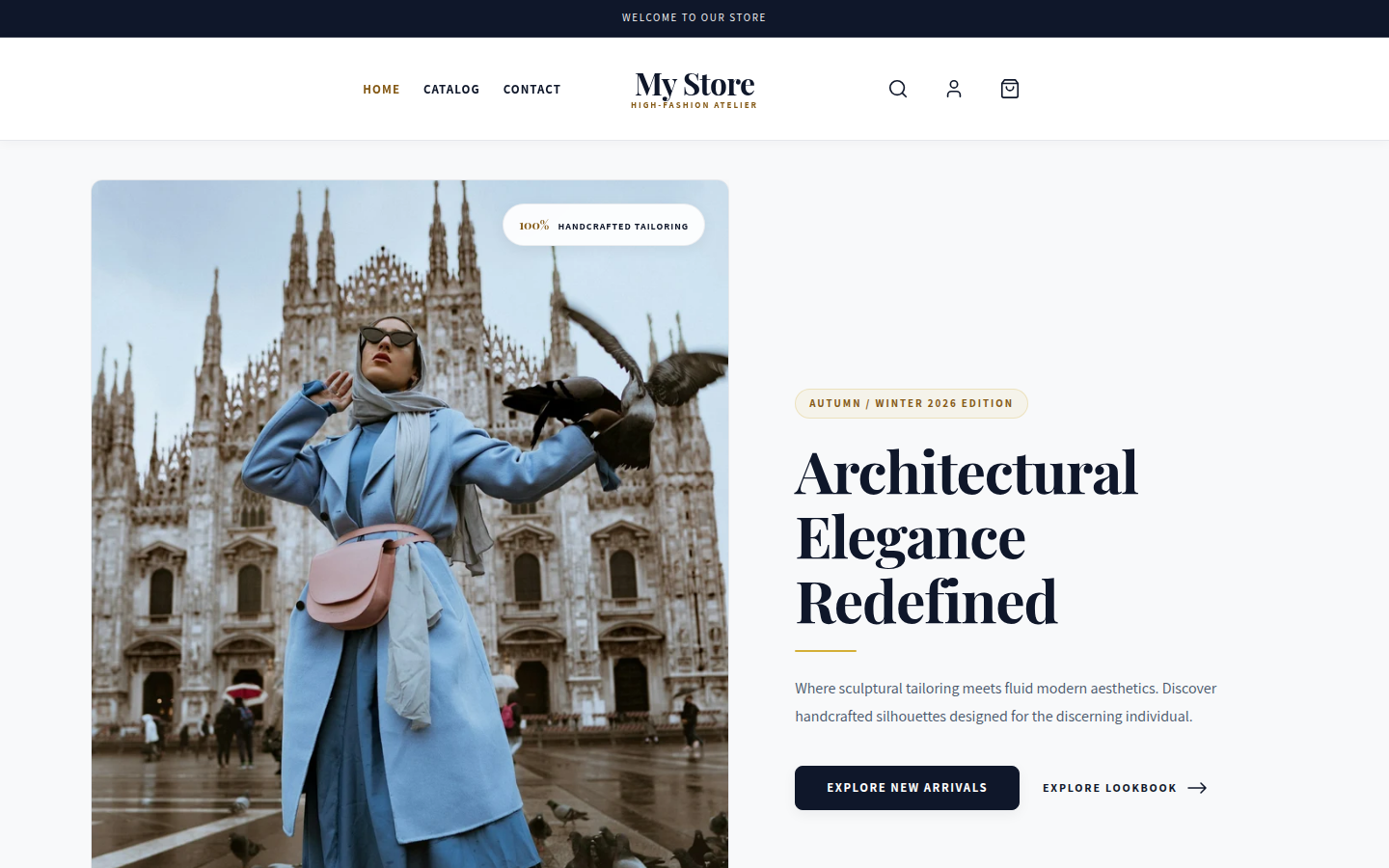
In apparel, aesthetics equate to brand credibility. If your website looks cookie-cutter or dated, shoppers immediately question the craftsmanship and fabric quality of the garments themselves. A specialized Shopify clothing theme gives you editorial typography, generous whitespace, high-impact hero banners, and refined color palettes that reflect your brand identity from the very first frame. It enables you to tell your brand story—whether that is luxury, athletic streetwear, or sustainable slow-fashion—without hiring an expensive design agency from day one.
Customer Experience and Navigation
Unlike shoppers looking for a specific replacement battery or cable, clothing shoppers frequently browse casually. They want to explore by season, aesthetic, occasion, collection, and fit. If your menu is convoluted or your collection pages take too long to filter by size and color, friction sets in and abandonment rates climb. A well-engineered apparel theme structures navigation menus, breadcrumbs, mega menus, and search bars to make product discovery intuitive and enjoyable.
Mobile Shopping Experience
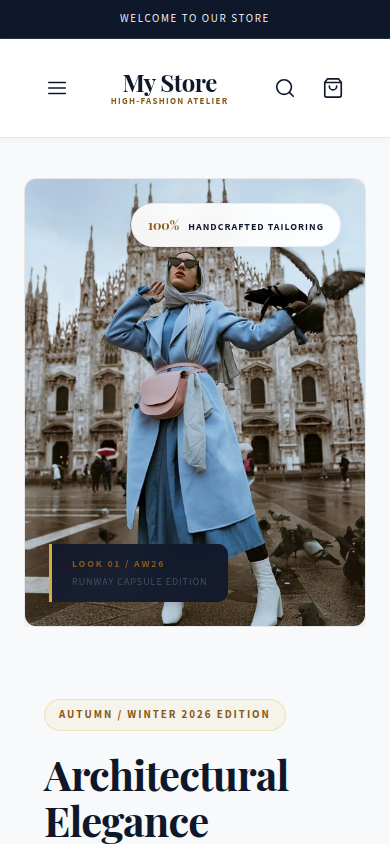
Over 75% of online fashion browsing and buying occurs on smartphones. Desktop-first design is obsolete in apparel ecommerce. If your mobile view requires pinch-to-zoom, hides key filters behind clunky pop-ups, or buries the "Add to Cart" button beneath long descriptions, you are bleeding conversions. The right theme is built mobile-first, complete with thumb-friendly sticky buttons, fluid swipe gestures for image carousels, and rapid micro-interactions that mirror native social shopping apps.
10 Essential Features of a Great Shopify Clothing Theme
Before purchasing or installing any template, check for these 10 non-negotiable features engineered specifically for apparel and accessory sales.
1. Fashion-Focused Homepage Design
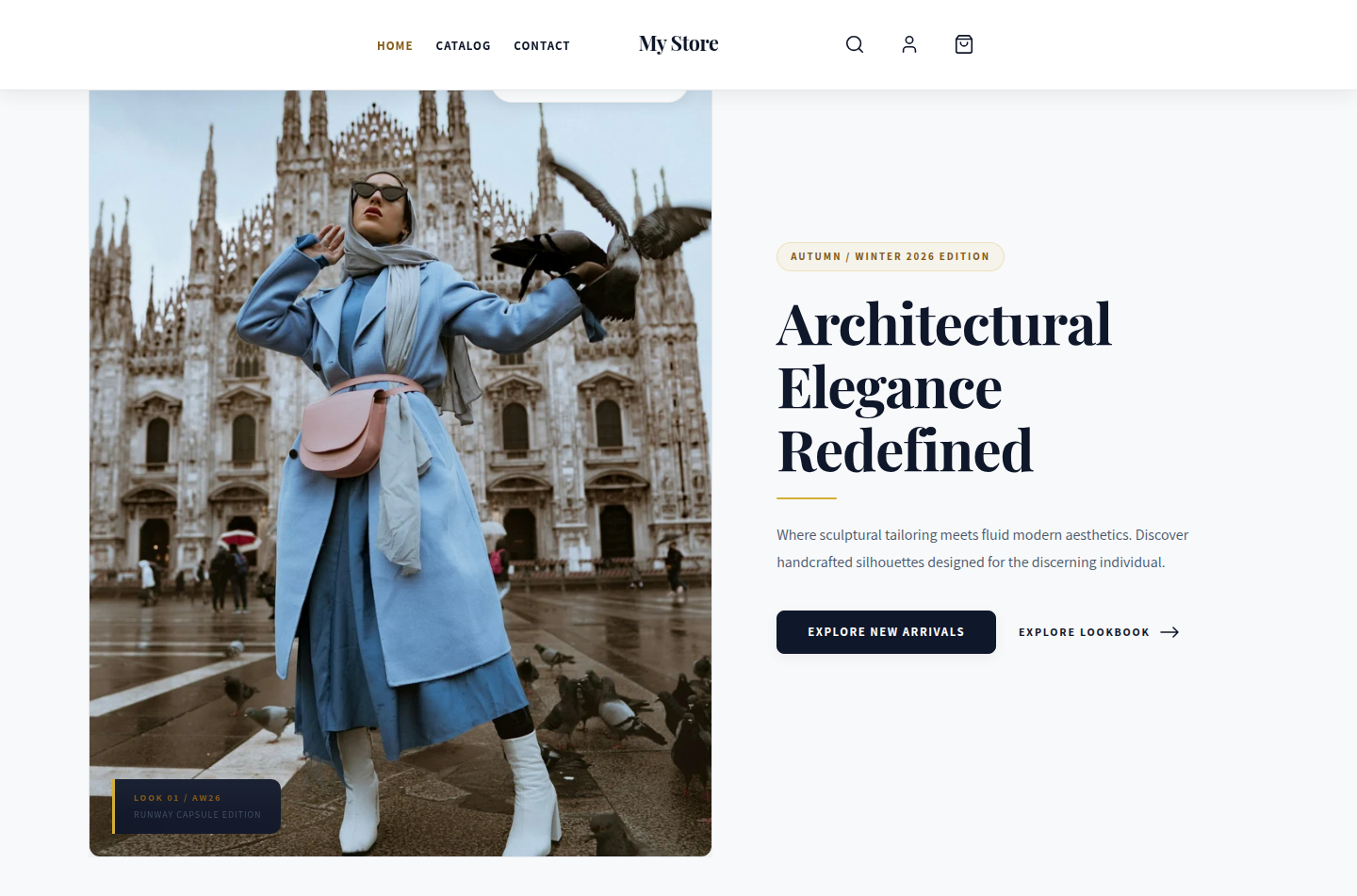
A standard catalog grid does not cut it for modern apparel brands. A superior Shopify clothing theme offers modular sections designed to showcase lookbooks, seasonal drops, trending styles, and video hero backgrounds. You need flexible layout blocks that allow you to alternate between full-bleed lifestyle imagery, split banners, curated carousels, and press quotes without touching a line of code.
2. High-Quality Product Galleries
Customers cannot touch the fabric, test the elasticity, or feel the seams of your garments through a screen. Your product gallery must bridge that sensory gap. Essential gallery elements include:
- High-resolution image zoom that reveals fabric weave and stitch quality.
- Support for multiple model perspectives (front, side, back, close-up details).
- Embedded 4K product video and 3D modeling showing natural drape and movement.
- Sticky gallery layouts where imagery remains visible while the customer scrolls through details and variants on desktop.
3. Advanced Product Filtering
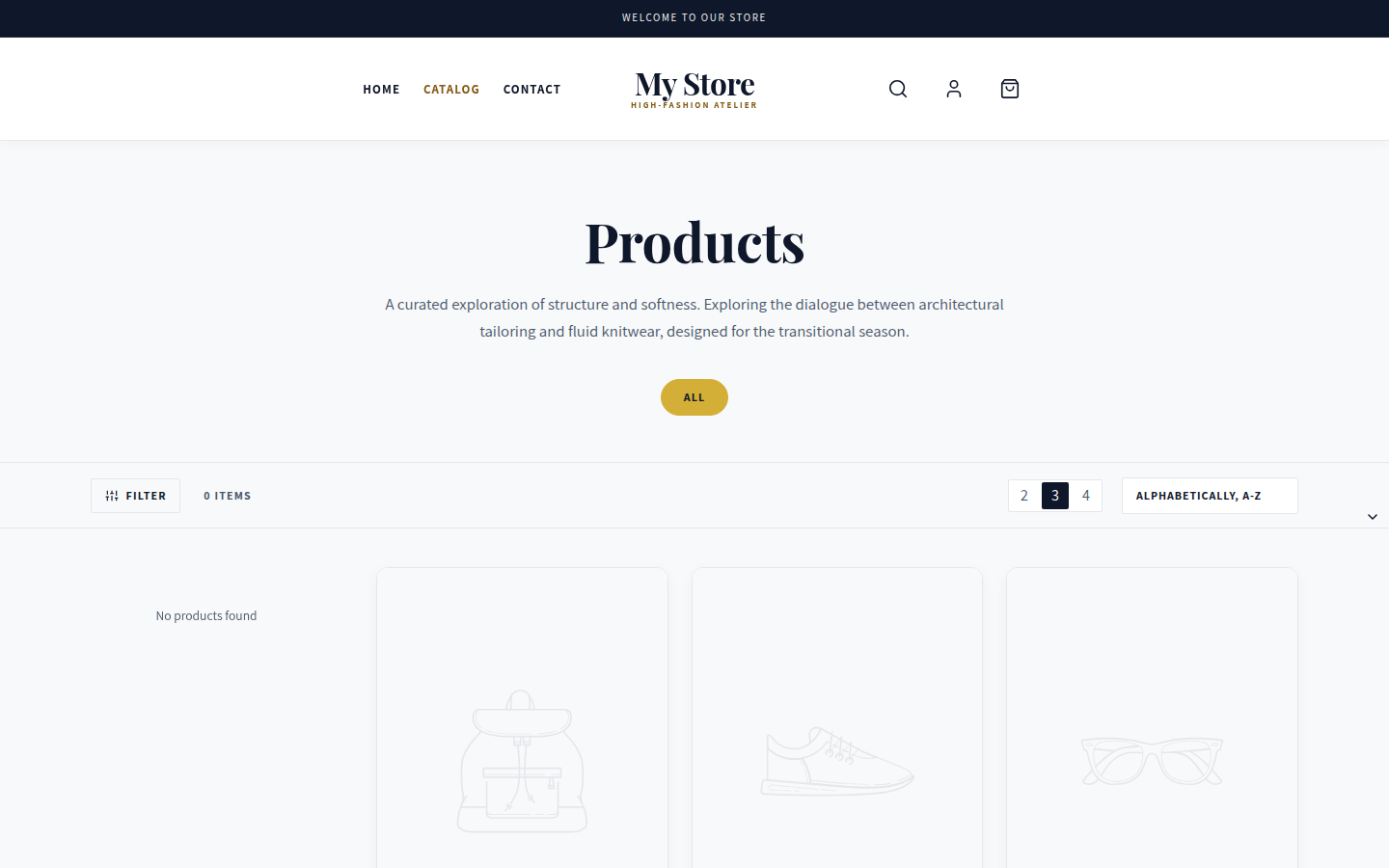
When a shopper visits your collection page looking for a "Medium linen shirt in Olive Green," they should not have to manually scroll through 200 items. Look for themes natively integrated with Shopify Search & Discovery that support multi-attribute filtering (size, color, price, material, cut, fit, and availability) without lagging or reloading the entire page.
4. Size and Color Variant Selection
Text dropdown menus kill fashion sales. Modern apparel themes must feature:
- Visual color swatches: Circle, square, or image-based thumbnail swatches displaying actual garment shades or patterns.
- Dynamic size buttons: Pill-style selectors that instantly cross out out-of-stock sizes and show remaining inventory alerts (e.g., "Only 2 left!").
- Dedicated Size Guide modals: Direct pop-up tables or interactive size calculators beside the selector to drastically reduce apparel return rates.
5. Quick Add to Cart
Frictionless checkout starts on the collection page. A Quick Add drawer or hover modal lets shoppers choose their size and color right from the catalog view, dropping items straight into their cart without leaving the browsing flow. This feature is a proven driver of higher items-per-order (Average Order Value).
6. Lookbook and Shop the Look
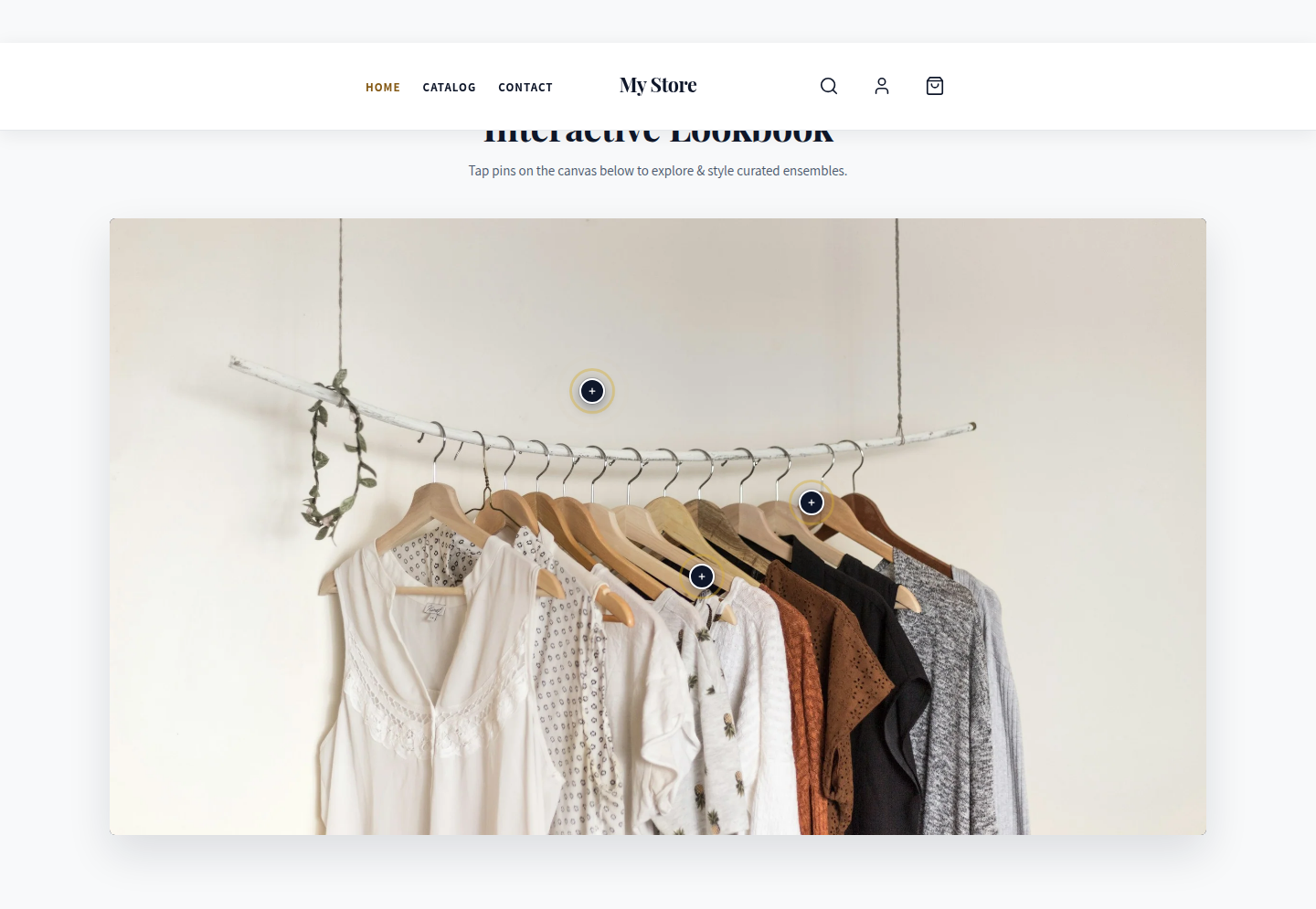
In fashion, items look best when styled together. A "Shop the Look" feature lets you place interactive hotspots on editorial lifestyle photographs. When a customer clicks on a model wearing an entire outfit, an interactive drawer pops open allowing them to buy the jacket, t-shirt, trousers, and accessories in a single click.
7. Mobile-Responsive Layout
A responsive layout is more than just shrinking a desktop design down to fit a mobile screen. It means touch-friendly tap targets, swipeable product image sliders, collapsible drawer menus, sticky bottom checkout bars ("Add to Bag"), and zero horizontal scroll errors across all screen sizes.
8. SEO-Friendly Structure
Organic search traffic is essential for reducing customer acquisition costs. Ensure the theme adheres to Google's Core Web Vitals standards, employs clean semantic HTML5 markup, supports breadcrumbs, generates structured product schema (Product, AggregateOffer, BreadcrumbList), and allows customizable heading tags (H1–H4) across all modular blocks.
9. Fast Loading Performance
For every one second of page load delay, ecommerce conversion rates drop by an average of 4.42%. Fashion themes tend to carry heavy image and video assets. The best themes are built on clean, modern CSS and lightweight vanilla JavaScript, utilizing native lazy loading, dynamic image resizing via Shopify’s CDN, and asynchronous script loading to keep your store blazing fast.
10. Flexible Customization Options
Your store should grow with your brand. Look for an Online Store 2.0 (OS 2.0) architecture that lets you add, remove, and reorder custom sections and blocks across every page template—including the homepage, collection pages, product pages, cart drawer, and blog articles—without needing custom developer assistance.
How to Choose the Best Shopify Theme for Your Clothing Brand
Selecting a theme is not merely a design choice; it is a strategic business decision. Here is a step-by-step framework to choose the ideal fit.
Identify Your Fashion Niche
Every clothing sub-niche carries distinct aesthetic expectations:
- Luxury & High Fashion: Requires minimalist palettes, serif or high-fashion editorial typography, extensive whitespace, and cinematic full-screen video sections.
- Streetwear & Urban Labels: Flourishes with bold typography, brutalist or high-contrast grids, marquee banners, countdown timers for limited drops, and social proof feeds.
- Athleisure & Activewear: Needs technical spec highlights, video looping, high-speed filtering, and clear fabric-benefit icons (moisture-wicking, breathable, 4-way stretch).
- Boutiques & Fast-Fashion: Requires dense product grids, promotional ribbon banners, urgency countdowns, and cross-sell widgets.
Consider Your Product Catalog Size
Match your theme selection to the volume of SKUs you manage:
- Small Catalog / Single-Product Drops (1–15 items): Choose a narrative-driven, editorial theme that emphasizes in-depth brand storytelling, fabric details, and large hero sections.
- Medium Catalog (15–100 items): Choose a balanced theme with versatile collection sorting, lookbook integrations, and flexible banner hierarchies.
- Large Catalog (100+ items): Choose an enterprise-ready theme equipped with multi-level mega menus, predictive auto-suggest search, predictive filtering, and infinite scroll or pagination options.
Evaluate Design and Customization
Examine the theme's preset styles and demo stores, but look past the placeholder imagery. Verify whether the font pairings align with your brand guidelines, whether border radii are customizable, and whether essential conversion widgets (such as pre-order badges or shipping counters) can be configured natively without code.
Check Mobile Usability
Never purchase a theme based solely on its desktop demo. Open the live demo preview on your smartphone. Try filtering a collection, clicking a color swatch, opening a size guide, and adding an item to the cart. If any interaction feels clumsy or requires precision tapping, discard the theme.
Compare Pricing and Support
Shopify themes generally range from free up to $350–$450 for premium commercial licenses. Review whether the author provides regular updates, extensive documentation, and responsive support. Most importantly, factor in how many third-party apps the theme replaces natively—saving you $50–$150/month in recurring app subscriptions.
Free vs. Premium Shopify Clothing Themes
One of the most frequent dilemmas for new apparel founders is deciding whether to start with a free Shopify theme or invest in a premium theme from the outset.
| Factor | Free Shopify Themes (e.g., Dawn) | Premium Fashion Themes (e.g., Novakrift Classic) |
|---|---|---|
| Upfront Cost | $0 | $180 – $380 (One-time license) |
| App Dependencies | High (Requires 5–8 external apps for swatches, size guides, lookbooks) | Low (All core fashion commerce features built-in natively) |
| Brand Differentiation | Common; looks identical to thousands of beginner stores | Distinctive, editorial, and bespoke luxury appeal |
| Conversion Tools | Basic checkout button | Sticky cart bars, quick-add drawers, progress counters, outfit bundles |
| Site Speed Impact | Degrades quickly as multiple third-party apps inject scripts | Consolidated, lightweight single codebase maintaining 95+ Core Web Vitals |
When a Free Theme Is Enough
If you are validating your very first apparel prototype, working with zero startup budget, or listing fewer than 5 items as a test run, starting with a free Shopify theme like Dawn is completely acceptable. Dawn provides clean code and solid basic functionality. However, keep in mind: the moment you need color swatches, size charts, pre-order badges, and lookbooks, you will need to install multiple third-party apps that incur recurring monthly fees and slow down your store.
Benefits of Premium Fashion Themes
Investing in a premium fashion-focused theme is almost always more cost-effective in the long run. Premium themes offer:
- Lower App Overhead: Eliminates $40–$120/month in third-party app subscriptions by baking advanced fashion features right into the theme settings.
- Cohesive Visual Polish: Micro-animations, drawer interactions, and typography transitions are designed harmoniously, giving your store the feel of a luxury powerhouse.
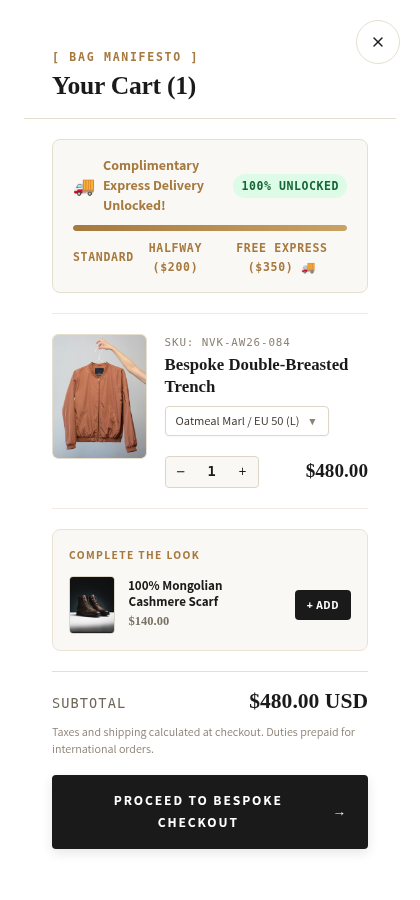
- Optimized Conversion Architecture: Built-in upsell drawers, free-shipping progress bars, and high-converting checkout pathways designed specifically to maximize revenue.
Why Fashion Brands Need More Than a Basic Shopify Theme
A generic storefront treats clothing like a commodity. But apparel is emotional, tactile, and identity-driven.
Visual Storytelling
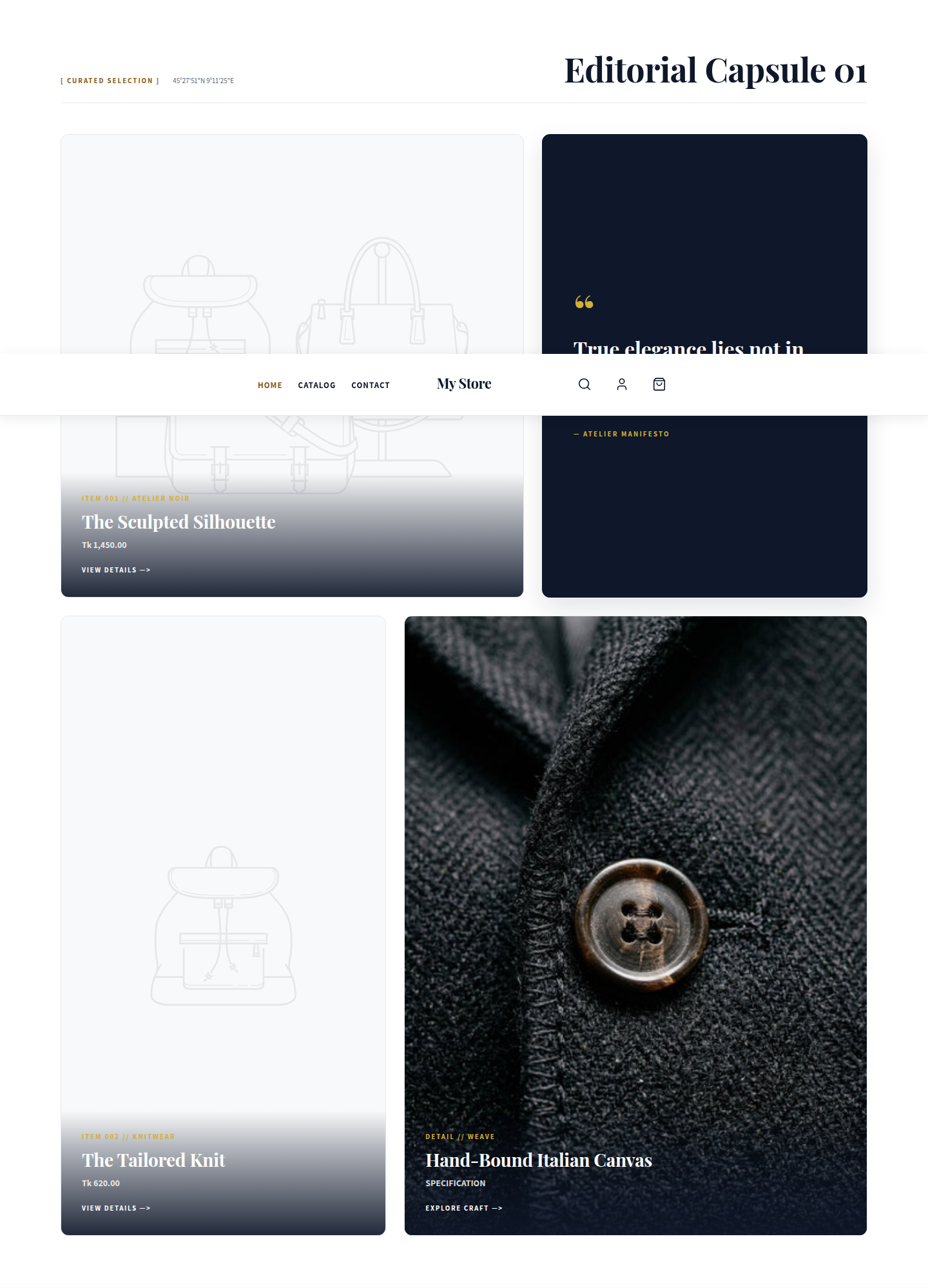
Basic themes force you into rigid image squares and plain text boxes. High-performing fashion brands require magazine-quality editorial layouts. They use asymmetric photo collages, video lookbooks, sliding campaign banners, and lifestyle quotes that communicate attitude, mood, and seasonal inspiration.
Interactive Product Discovery
Today’s apparel customers do not want to hunt through endless generic pages. They want curated experiences:
- Shop by Lookbook: Seeing an item styled in a real-world setting prompts higher emotional buy-in.
- Model Size Indicators: Showing "Model is 5'10" wearing size S" with the exact measurements instills sizing confidence.
- Complementary Pairings: "Pair this blazer with..." dynamic cross-sells displayed directly inside the slide-out cart drawer.
A More Engaging Shopping Journey
The path from discovery to purchase should feel seamless. When a theme incorporates smooth micro-transitions, subtle image zoom effects on hover, instant slide-out carts with free-shipping thresholds, and frictionless variant switching, it builds consumer trust and minimizes cart abandonment.
Introducing Novakrift Classic: A Shopify Fashion Theme
If you are looking for a theme that embodies modern editorial elegance while delivering high-performance ecommerce functionality, Novakrift Classic was engineered specifically for ambitious fashion labels.
Editorial Fashion Storefront Design
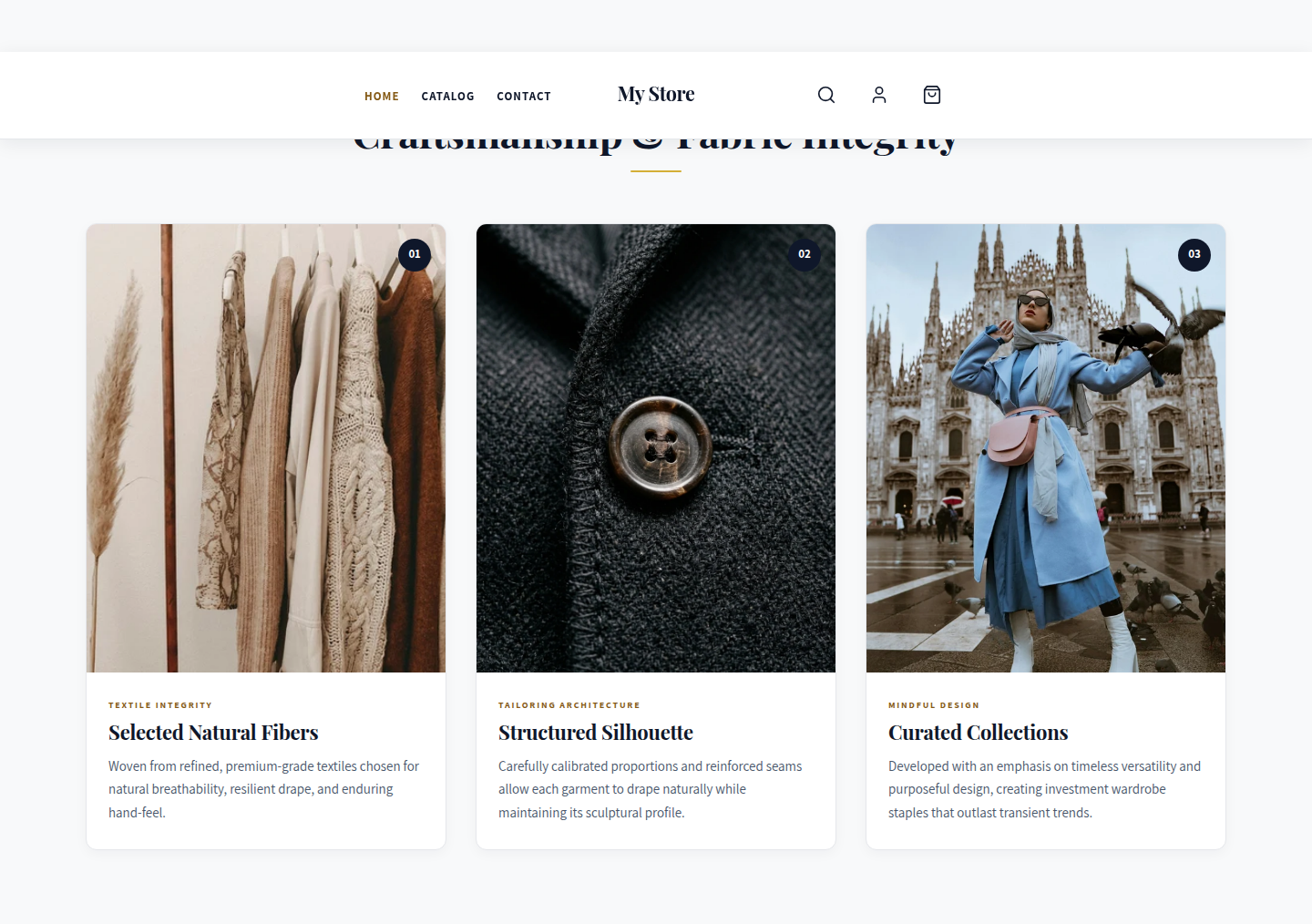
Novakrift Classic bridges the gap between high-fashion editorial magazines and conversion-obsessed ecommerce. Its clean lines, sophisticated typographic rhythm, and balanced whitespace provide the perfect canvas to make your garments take center stage. Whether you specialize in minimalist couture, contemporary streetwear, or upscale ready-to-wear collections, the storefront elevates your brand positioning immediately.
Interactive Shop the Look Experience
Turn aspirational editorial photoshoots into direct sales channels. Novakrift Classic comes with built-in, touch-optimized Shop the Look functionality. Place subtle, interactive pins across any lifestyle lookbook image. When clicked, customers can view product details, select sizes, and add complete multi-piece outfits directly to their shopping bag without navigating away from the page.
Product Page Shopping Features
Novakrift Classic packs the critical conversion utilities that modern fashion buyers expect:
- Built-in Visual Color Swatches: Crisp, responsive swatches supporting custom color codes and pattern images.
- Pop-up Size Guides: Clean measurement tables tailored to different garments and shoe collections.
- Sticky Add-to-Cart Bar: Stays pinned as shoppers browse through extensive product descriptions and lookbook galleries.
- Slide-Out Ajax Cart Drawer: Complete with an interactive free-shipping progress bar and one-click complementary upsell recommendations.
Built for Modern Fashion Brands
Developed on Shopify’s latest Online Store 2.0 framework, Novakrift Classic delivers full drag-and-drop flexibility across every single page. It is engineered with zero code bloat, ensuring your store achieves exceptional Google Core Web Vitals scores and rapid mobile load times even when hosting high-resolution imagery and video backgrounds.
Frequently Asked Questions About Shopify Clothing Themes
What is the best Shopify clothing theme?
The best Shopify clothing theme depends on your brand aesthetic and catalog size. For modern apparel stores wanting an editorial, luxury-grade look with built-in color swatches and interactive lookbooks, Novakrift Classic is a top-tier choice. For massive multi-brand department-style catalogs, themes with deep mega menus are ideal, while brand-new founders testing a concept can start with Dawn.
Are there free Shopify themes for clothing stores?
Yes, Shopify offers free themes like Dawn, Sense, and Spotlight that can be configured for apparel. While they provide a functional foundation, they lack specialized fashion features like native color swatches, interactive lookbooks, and custom size guide pop-ups, which typically require paid monthly third-party apps.
What features should a fashion Shopify theme have?
A dedicated fashion theme should include native color swatches and dynamic size selectors, responsive image galleries with high-resolution zoom, interactive lookbook / "Shop the Look" sections, size guide modals, advanced multi-tag filtering, and rapid mobile navigation with slide-out cart drawers and upsell triggers.
Is Shopify good for starting a clothing brand?
Shopify is the industry-standard platform for building and scaling an online clothing brand. It effortlessly handles complex variant management (multiple sizes, cuts, and colors), integrates seamlessly with apparel print-on-demand and fulfillment centers, supports international multi-currency sales, and offers the largest ecosystem of fashion-specific marketing tools.
How do I customize a Shopify clothing theme?
Under Online Store > Themes in your Shopify Admin, click Customize to open the Theme Editor. With modern OS 2.0 themes like Novakrift Classic, you can add, remove, and reorganize modular sections across any template using visual drag-and-drop controls. You can customize typography, color schemes, banner animations, and product card layouts without ever writing custom CSS or Liquid code.
Build a Better Fashion Store with the Right Shopify Theme
In fashion ecommerce, your storefront is your flagship boutique. The right Shopify clothing theme immerses shoppers in your brand narrative, provides seamless mobile browsing, and transforms casual browsers into loyal brand advocates.
Novakrift Editorial Team
Contributing architectural viewpoints, Liquid performance studies, and conversion insights to The Novakrift Journal.